App Prototyping Services in Australia

Find out before it is expensive.

There is a window early in every product where changing your mind is nearly free. Devika builds interactive prototypes that let you test with real people weeks before a line of production code is written.

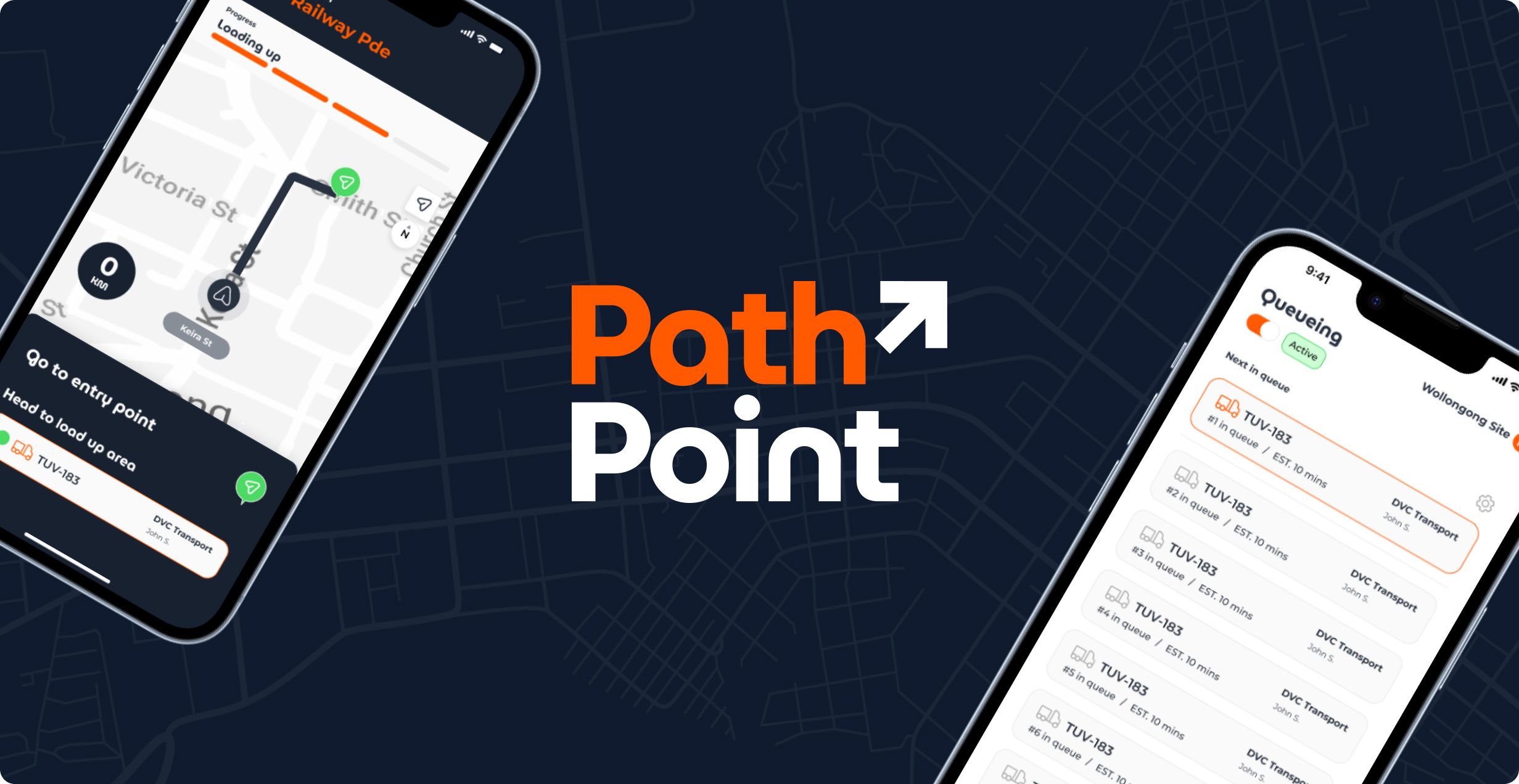
Pathpoint

PathPoint: on-site maps and queue management for the sites consumer maps can’t see

Read the Case Study →
1 to 3 weeks
Typical prototype turnaround
5 to 8
Users needed to surface most usability problems
3
Councils that field-tested ArkiCity
150+
Products taken from idea to launch since 2016

That Window Closes Faster Than Anyone Expects.

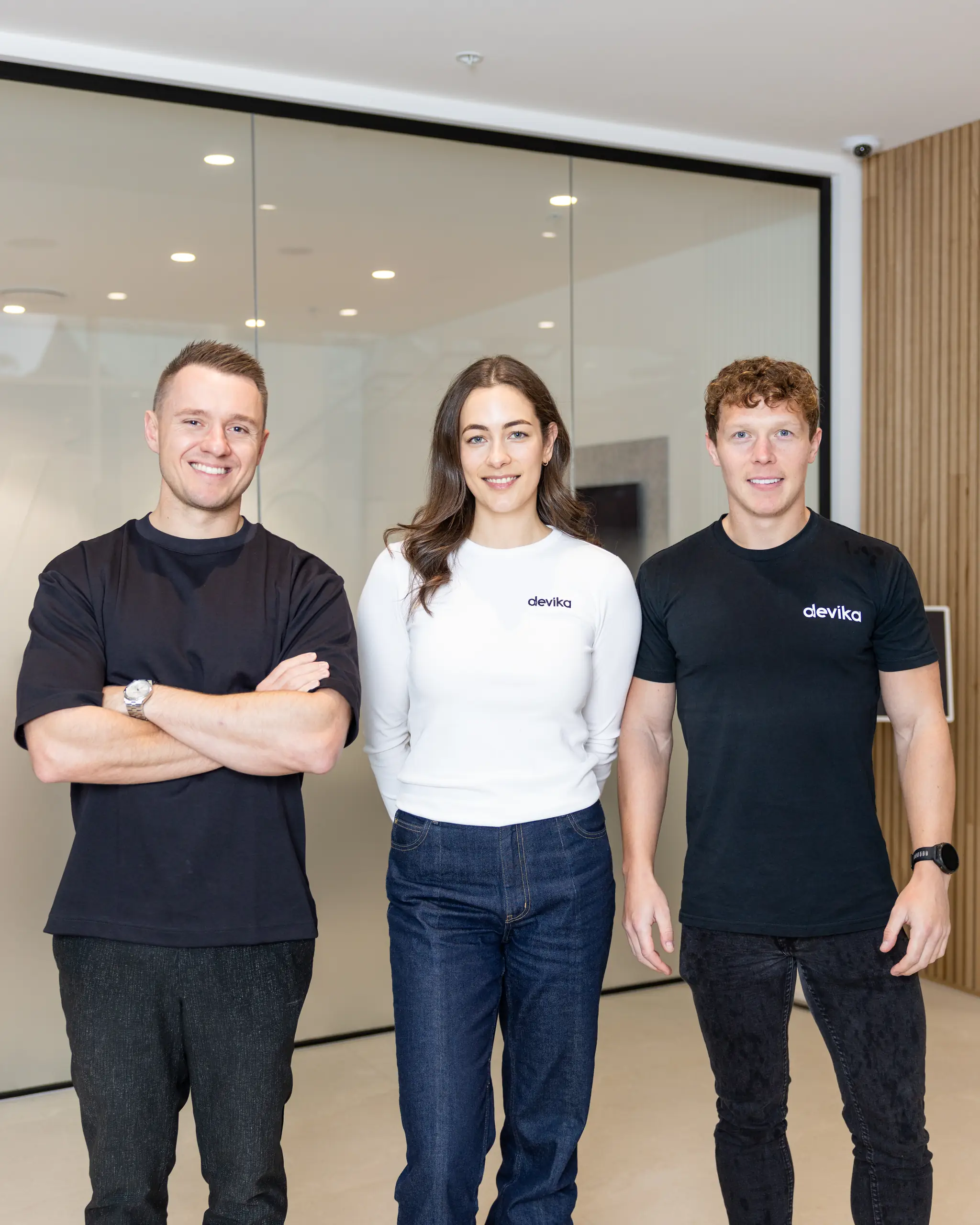
Three Devika team members in the Wollongong studio
Prototype first, while changing your mind is still cheap.

Early on, a flow gets redrawn in an afternoon and a feature gets cut in a conversation. Nobody has built anything, so nobody is defending anything.

Once code exists, changing direction means sunk cost, rework, and the quiet organisational pull toward continuing simply because you have started.

Prototyping exists to do as much of your thinking as possible while it is still cheap, and to make the decision that follows an easy one.

Changing your mind in a prototype costs an afternoon. Changing it after the build costs a quarter.

What an Interactive Prototype Actually Is

Not a slide deck. Not a static mockup. A working simulation of the product that responds to taps and clicks, moves between screens, and behaves closely enough to the real thing that people forget they are testing.

It looks and feels like the app. It just does not have a real database behind it.

That is the whole trick. Because there is no backend, we build it in days rather than months. Because it feels real, the feedback you get is real. People do not tell you what they would theoretically do. They try to do it, and you watch where they hesitate. Most work moves from wireframes to lo-fi to hi-fi prototypes, and the fidelity you need depends entirely on the question you are asking.

What a Prototype Can Prove

  • Whether people understand what the product is within seconds
  • Whether they can complete the core task without help
  • Which features they reach for and which they never notice
  • Whether the value is obvious enough to justify signing up
  • Where the confusion is, precisely

What a Prototype Cannot Prove

  • Whether it will perform at scale
  • Whether people will pay, which needs an MVP
  • Whether the technical approach holds up
  • Whether people will keep using it over weeks

A prototype tells you if they understand it. Only a live product tells you if they will pay for it.

Knowing which questions a prototype answers is most of the value of running one.

Validate Your App Idea Before You Build

Rapid prototyping is the cheapest form of product validation available to you, because it tests the idea before the build rather than after it. This is the most valuable and most skipped step in product development. Here is the sequence we run.

  1. 01

    Articulate the Assumption

    Every product idea rests on a belief about a customer. Write it down as a falsifiable statement. Aged care employers will use a swipe interface to shortlist candidates is testable. There is a gap in the market is not.

  2. 02

    Prototype the Core Loop

    Not the whole product. The single sequence where the value lives.

  3. 03

    Put It in Front of Real Users

    Five to 8 people from the actual target group. Not colleagues, not friends. The pattern of failure becomes obvious remarkably quickly.

  4. 04

    Watch, Do Not Ask

    What people do and what they say they would do differ substantially. The silence while someone hunts for a button is worth more than any survey response.

  5. 05

    Decide

    Refine, pivot or stop. Set your acceptance criteria before you test, so the decision is not made on the loudest opinion in the room.

Five people trying your prototype will surface more real problems than 50 people answering questions about a concept.

Why 5 to 8 Users Is Enough

Executives reasonably ask why the sample is so small, since it sounds statistically indefensible.

It is not a statistical exercise. Usability testing looks for defects rather than measuring a population, and defects repeat: the same confusing label stops most people who encounter it. Research by Nielsen Norman Group found that around 5 users surface the large majority of usability problems in a given interface, after which each additional session mostly reconfirms what you already saw.

If you want to measure preference, market size or willingness to pay, that is a different study needing a much larger sample. We will say so rather than overclaim what these sessions can tell you.

Interactive App Prototypes for Investors

An interactive app prototype for investors does something a pitch deck structurally cannot. It moves the conversation from imagination to reaction.

A slide asks an investor to picture a product and trust your description of it. A prototype in their hands means they are evaluating something they have experienced. The questions change from what would this look like to how are you acquiring users, which is a much better meeting.

It also demonstrates things you cannot claim credibly on a slide: that you have thought through the actual product, that you can execute, and that you understand your user well enough to have designed for them specifically.

The same asset works for internal approval. If you are an executive seeking board sign-off or budget, a prototype turns an abstract proposal into something a room can respond to concretely, which usually shortens the approval cycle considerably.

Rapid App Prototyping Services at Devika

Most engagements run 1 to 3 weeks, depending on scope.

  1. Days 1 to 3

    Frame the Question

    What must this prototype prove, and what decision follows from the answer? Everything not serving that gets left out.

  2. Days 4 to 8

    Design the Core Flow

    Screens and interactions for the sequence that matters.

  3. Days 9 to 12

    Build the Interactive Prototype

    Clickable, realistic, and testable on the real device.

  4. Days 13 to 15

    Test and Report

    Sessions with target users, findings, and a clear recommendation on what to build, change or abandon.

You end with a tested prototype, evidence for your next decision, an asset you can pitch with, and a build scope grounded in observed reality rather than internal opinion. Where the answer is proceed, that scope feeds directly into MVP development and the UI/UX design phase, which is why the prototype shortens the build rather than delaying it.

For higher-risk technical questions we also build technical spikes, meaning small proofs that a hard integration or unproven capability actually works. A different kind of prototype answering a different kind of question, usually run alongside custom software scoping.

Proof

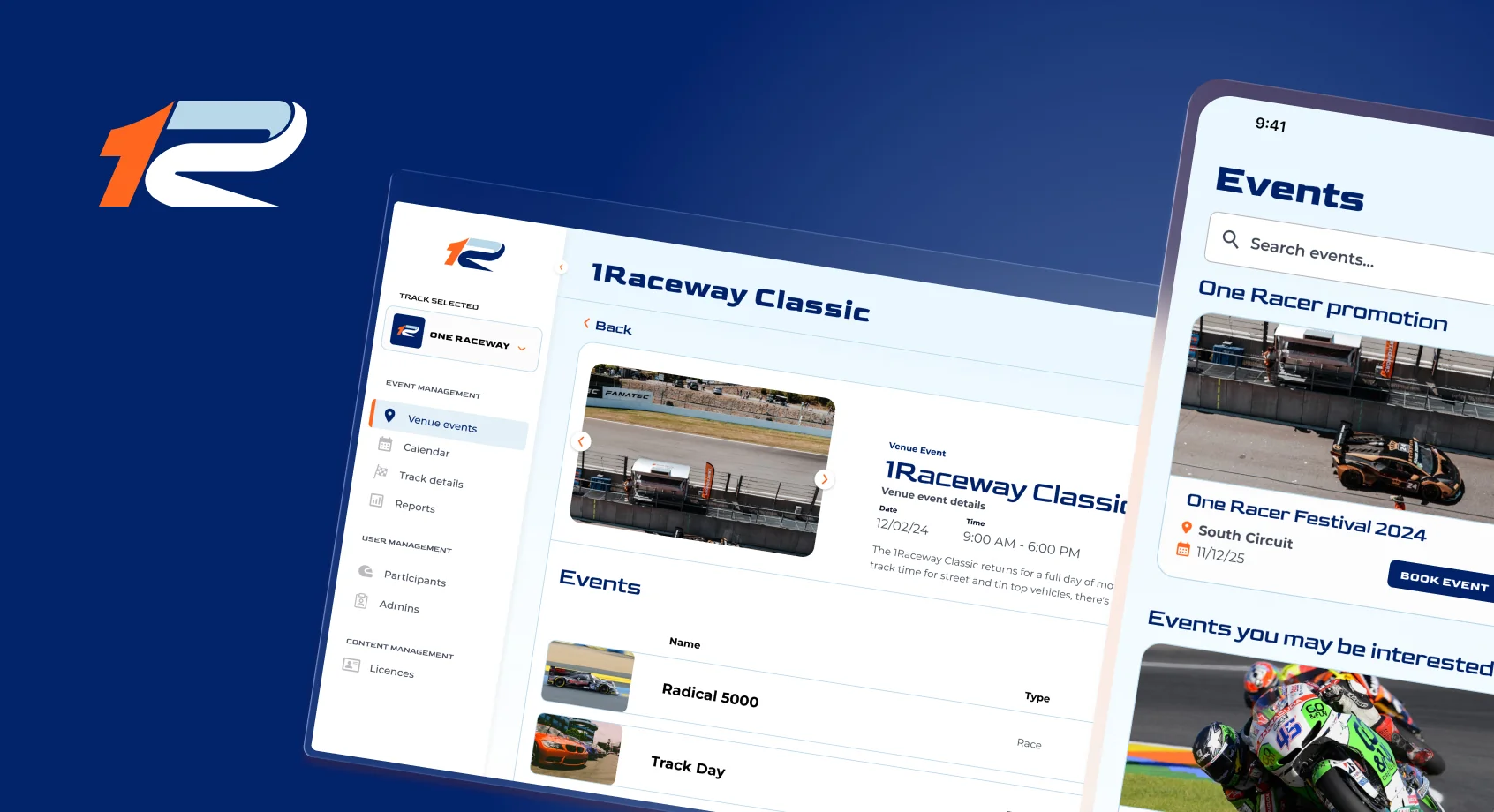
The 1Racer app

1Racer by One Raceway

  • Motorsport
  • Scope discovery

The clearest argument for prototyping we have. One Raceway approached Devika wanting a simple booking and management tool. Through consultation and early product work, the idea grew into something else entirely: a digital product licensable globally to other venues. The MVP was then scoped around 3 distinct user types, because that thinking happened early, when it was still cheap to change.

Read the Case Study →
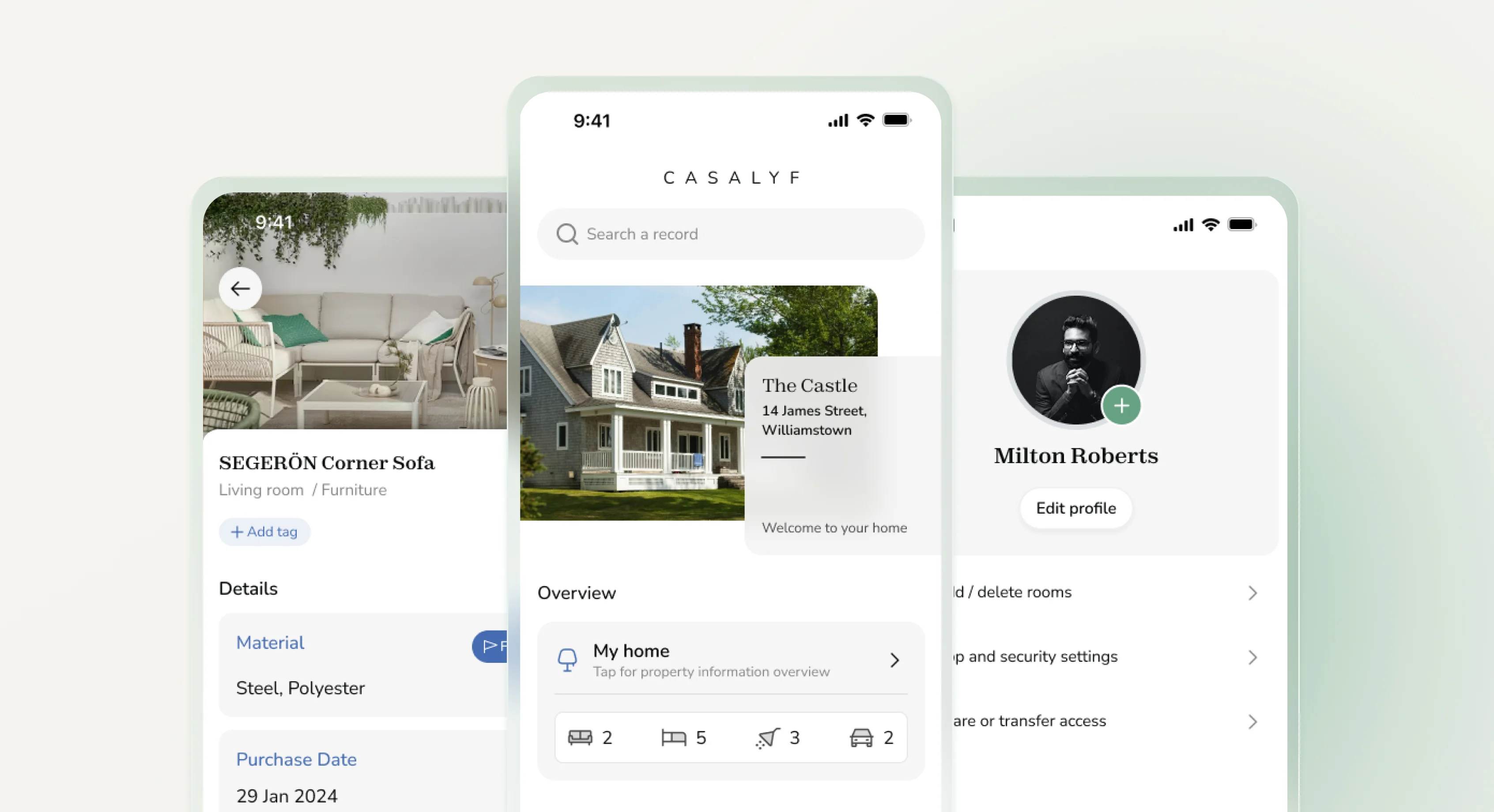
The Casalyf app

Casalyf

  • PropTech
  • Proof of concept then MVP

Devika led a structured proof-of-concept phase before MVP, defining the freemium model and prioritising the core workflows needed to validate the product. That sequencing is why a full PropTech platform reached production in 12 weeks rather than discovering its scope mid-build.

Read the Case Study →
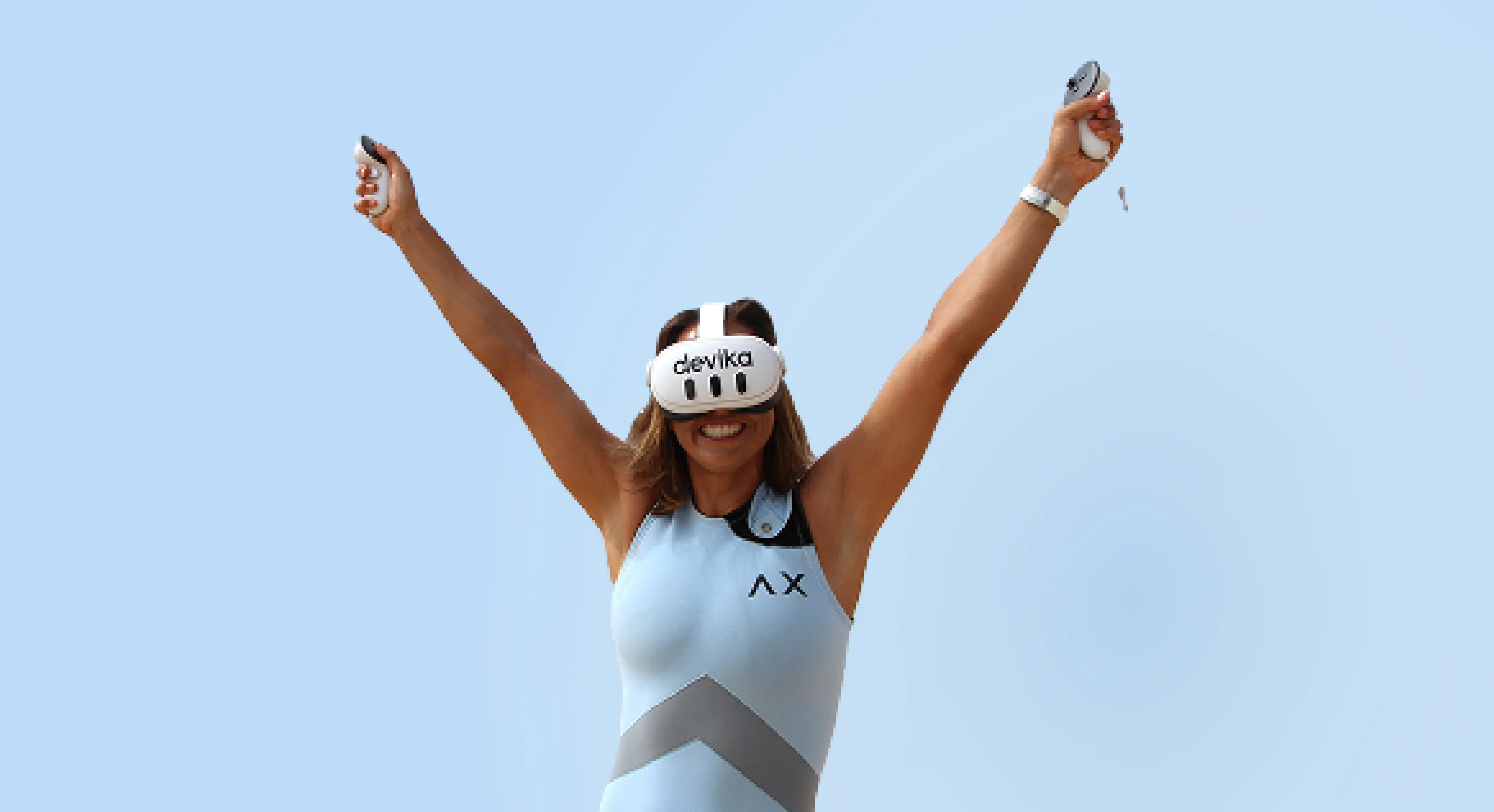
The Evenness VR app

Evenness with Sally Fitzgibbons

  • VR art therapy
  • Meta Quest

A VR art therapy experience built in 3 months, extending an Evenness suite whose earlier applications were validated through research at the University of Western Sydney. Now on the Meta Store for personal use and deployed commercially with organisations.

Read the Case Study →
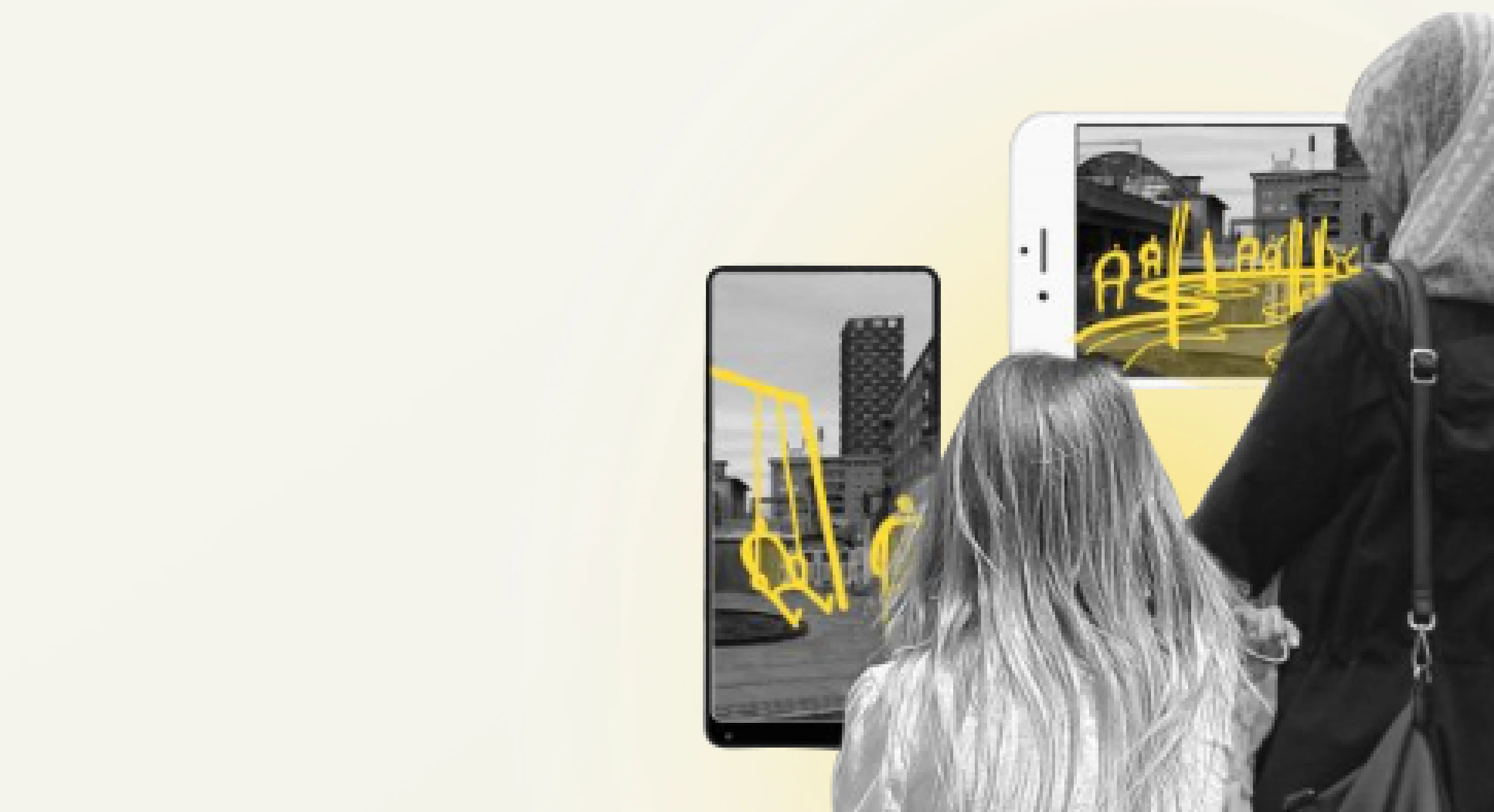
The ArkiCity app

ArkiCity

  • Urban planning
  • AR field testing

An augmented reality city planning app tested in the field with Wollongong City Council, Liverpool City Council and City of Canterbury Bankstown. Validation with actual decision-makers, in the actual context of use, rather than in a meeting room.

Read the Case Study →

Common Questions

How long does a prototype take?

One to 3 weeks for most. Simple single-flow prototypes can be done in days.

Do we get something we can show investors?

Yes. That is one of the main reasons clients commission them, and the prototype is yours to use however you like.

Does the prototype become the app?

No, and it should not. Prototypes are built for speed, not durability. What carries forward is the validated design and the evidence, which is exactly what makes the subsequent MVP build faster and less risky.

What if testing says the idea does not work?

Then it saved you a build budget and several months. That is a successful prototype, even though it does not feel like one at the time.

Can you test it with users for us?

Yes. We recruit from your target group, run the sessions and report the findings with a recommendation.

Can you prototype for existing products?

Absolutely. Testing a significant new feature or redesign before committing engineering time is one of the highest-return uses of prototyping.

How does this reduce the cost of the build?

By removing scope. Most prototypes end with fewer features than they started with, and a clearer sequence. That difference usually exceeds the cost of the prototype itself.

Bring the Assumption Your Whole Idea Rests On.

We will build the fastest way to test it, and tell you honestly what the result means.