Support and Maintenance
Add features, refine architecture and support growth as users increase, with packages sized to where you’re at.
Our managed services team in Australia keep what we’ve built running and improving (monitoring, updates, security patching and a maintained roadmap), so your product keeps performing long after go-live, without hiring an internal team to babysit it.
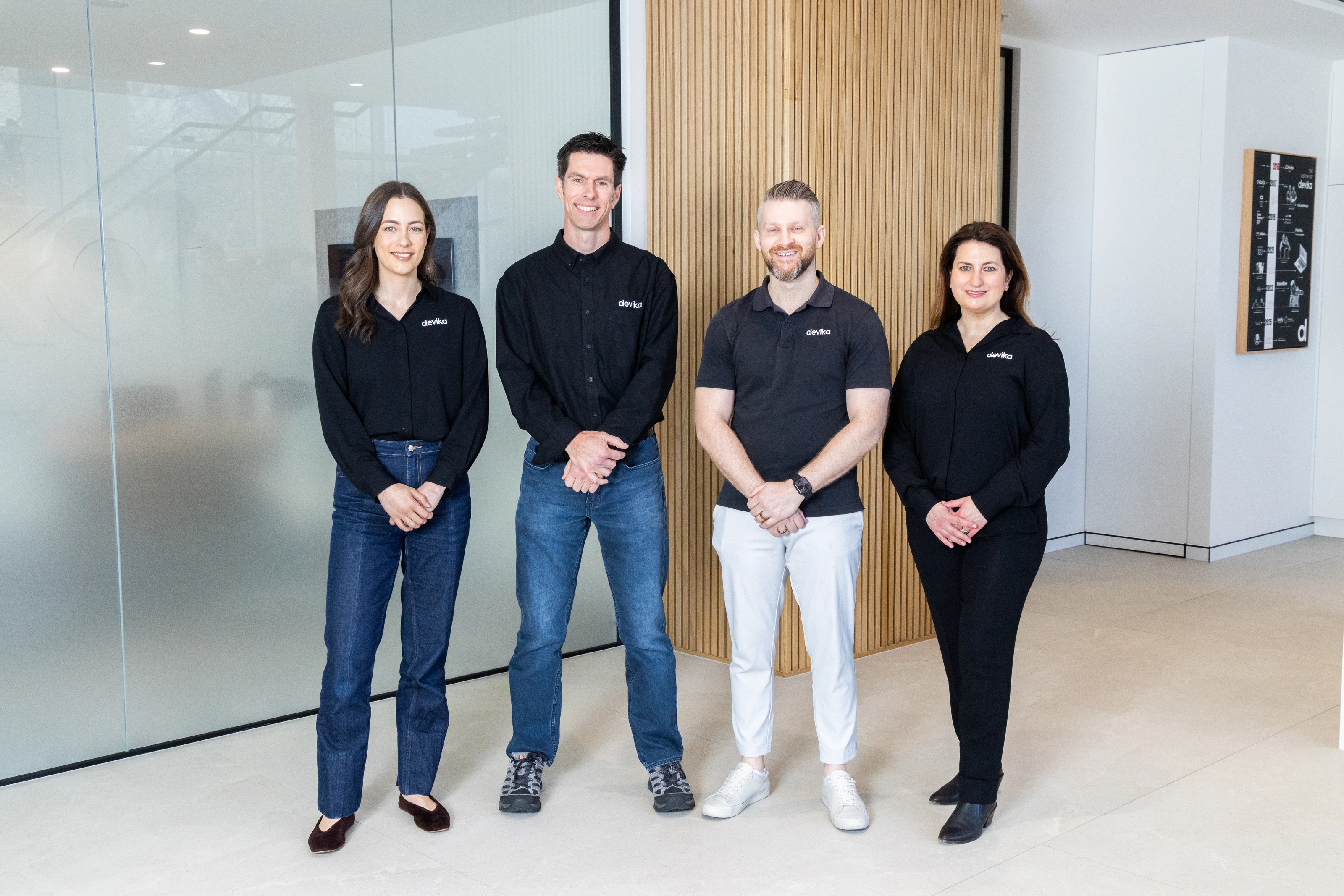
Five ways we keep your product healthy, sized to where you’re at.
Add features, refine architecture and support growth as users increase, with packages sized to where you’re at.
Proactive monitoring and alerting on the systems behind your product, so issues are caught and fixed before your users notice them.
Your AWS environment managed by the team that built it, with cost, performance and capacity reviewed as your usage grows.
Dependencies patched, environments hardened and updates applied on a schedule, not only when something breaks.
A maintained roadmap and regular releases, so your product keeps improving long after the first launch.
Apple and Google ship OS updates that break assumptions your app made. Security researchers publish vulnerabilities in libraries you depend on. Payment providers deprecate API versions. App stores change submission requirements and pull non-compliant apps. Browsers drop support for things that used to work.
None of that is a reflection on how well the product was built. It is the ordinary cost of operating in an environment that keeps moving, and it is entirely predictable, which means it is entirely budgetable.
Software maintenance is best understood as a fixed operating cost, the same way you budget for insurance and hosting, rather than as a line item you hope not to spend. Managed services simply put that cost on a predictable monthly footing.
Software does not wear out. The world around it moves, and the app is left behind.
Launch is the halfway point. This is how we keep you ahead.
The engineers who built your product are the ones who support it: no handover, no relearning your codebase.
Cloud-native and serverless foundations mean low running costs and no expensive rewrite when growth arrives.
We keep improving what we ship: monitoring, updates and a plan for what’s next, not just a ticket queue.
App support and maintenance services span four distinct types of work. They are often bundled into one line and then quietly conflated, so here they are separated.
Uptime monitoring, error tracking, incident response, backup verification and performance watching. The goal is that we notice before your customers do.
Dependency patching, vulnerability scanning, access reviews, certificate renewal and penetration test remediation, tested against the OWASP Top 10. Most breaches exploit known vulnerabilities in unpatched libraries. This is the least glamorous and highest-value line in the agreement.
iOS and Android version support, App Store and Play Store policy changes, privacy regulation updates and payment provider API deprecations. Miss these and your app gets delisted, which is a revenue event rather than a technical one.
Bug fixes, small enhancements, performance work and a steady release cadence through a CI/CD pipeline, so the product stays alive rather than frozen at launch.
The first three keep you out of trouble. The fourth is what customers notice. You need all four, and most providers price them as one line without telling you the split.
Growth breaks things that worked perfectly at small scale. The database query that ran in 40 milliseconds against 5,000 records takes 8 seconds against 500,000. The manual admin process that was fine at 10 signups a day collapses at 1,000.
Supporting a scaling product means watching for those thresholds and addressing them before they become an outage during your best week.
Products in the Devika portfolio serve more than 4 million monthly active end users. That is the scale we support at.
Small releases, often. Big releases are where outages come from.
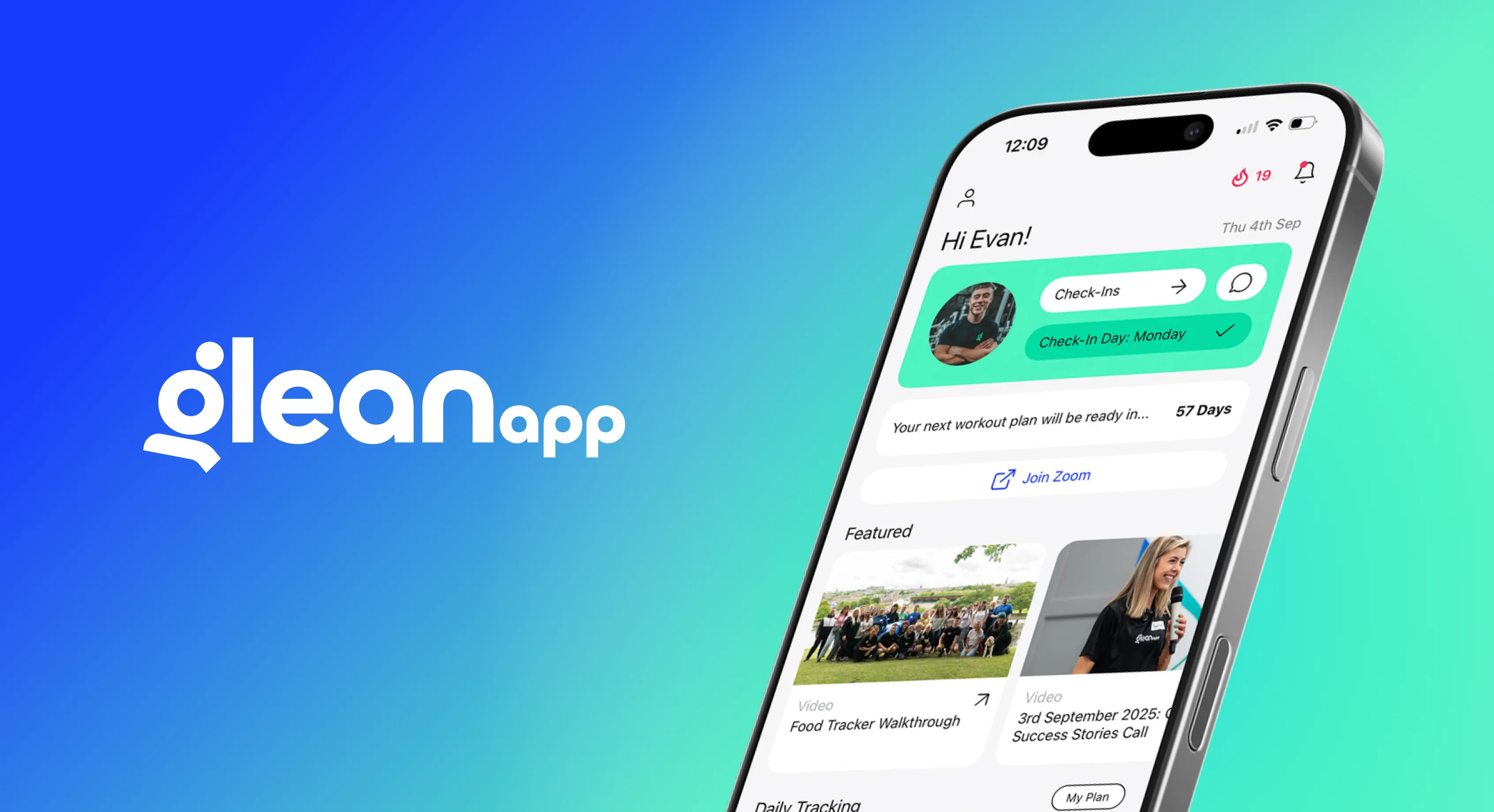
Built over 14 sprints across web and mobile with coach, admin and end-user portals, Stripe and Intercom integrations on AWS, and ongoing managed services since. A live coaching business with real customers depending on daily availability.
Read the Case Study →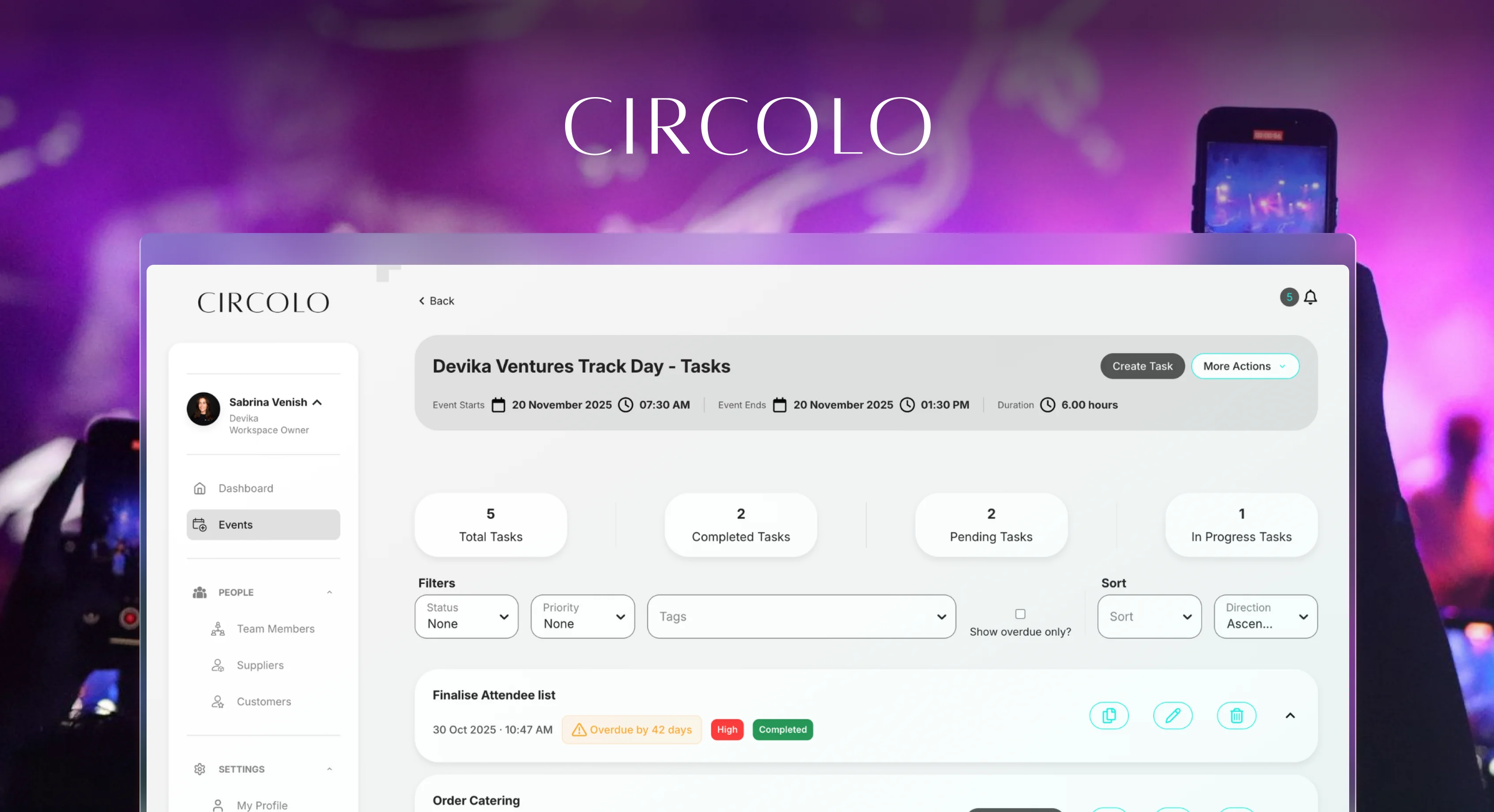
Relaunched by Devika and supported continuously since, with releases shaped by customer feedback rather than a fixed roadmap. The serverless architecture chosen at rebuild is why their infrastructure cost has stayed close to flat while their user base has grown.
Read the Case Study →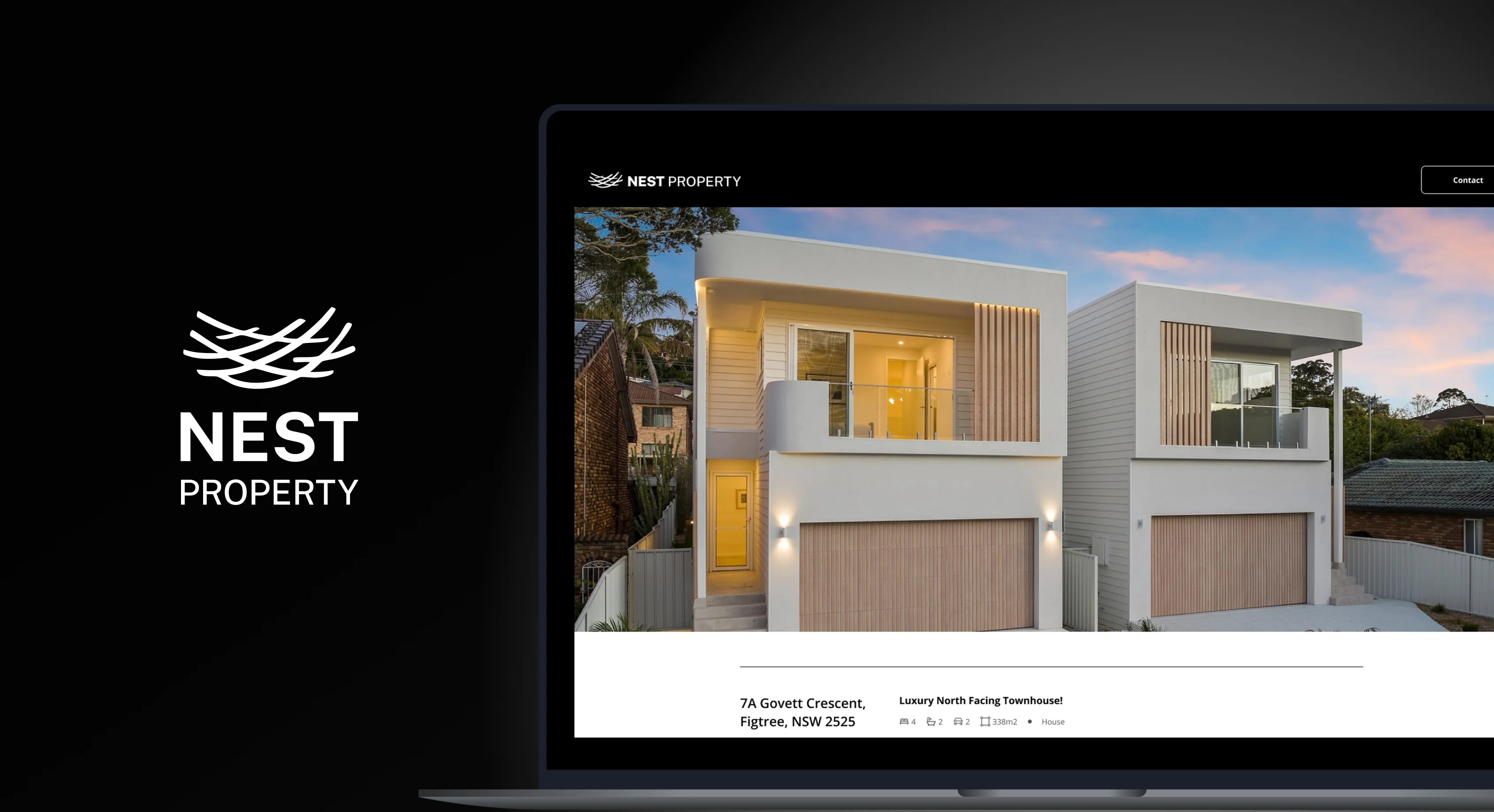
A 1-month build plus ongoing updates, on a platform their own team manages day to day. Support scaled to what the client actually needs rather than what we would like to sell.
Read the Case Study →Yes. Uptime, errors, performance and cost, with alerting. The goal is that we call you, not the other way around.
Entirely. Devika is 100 per cent onshore, staffed by employees rather than subcontractors, based in Wollongong.
Thirty days notice, a documented handover pack and a working session with your incoming team. Your repositories and infrastructure are already in your name.