Mobile App Development, Australia

Apps people open twice.

Native quality on iOS and Android, built to scale from the first release. Devika has launched apps that reached number one on the Australian app stores, and platforms that now carry millions of users.

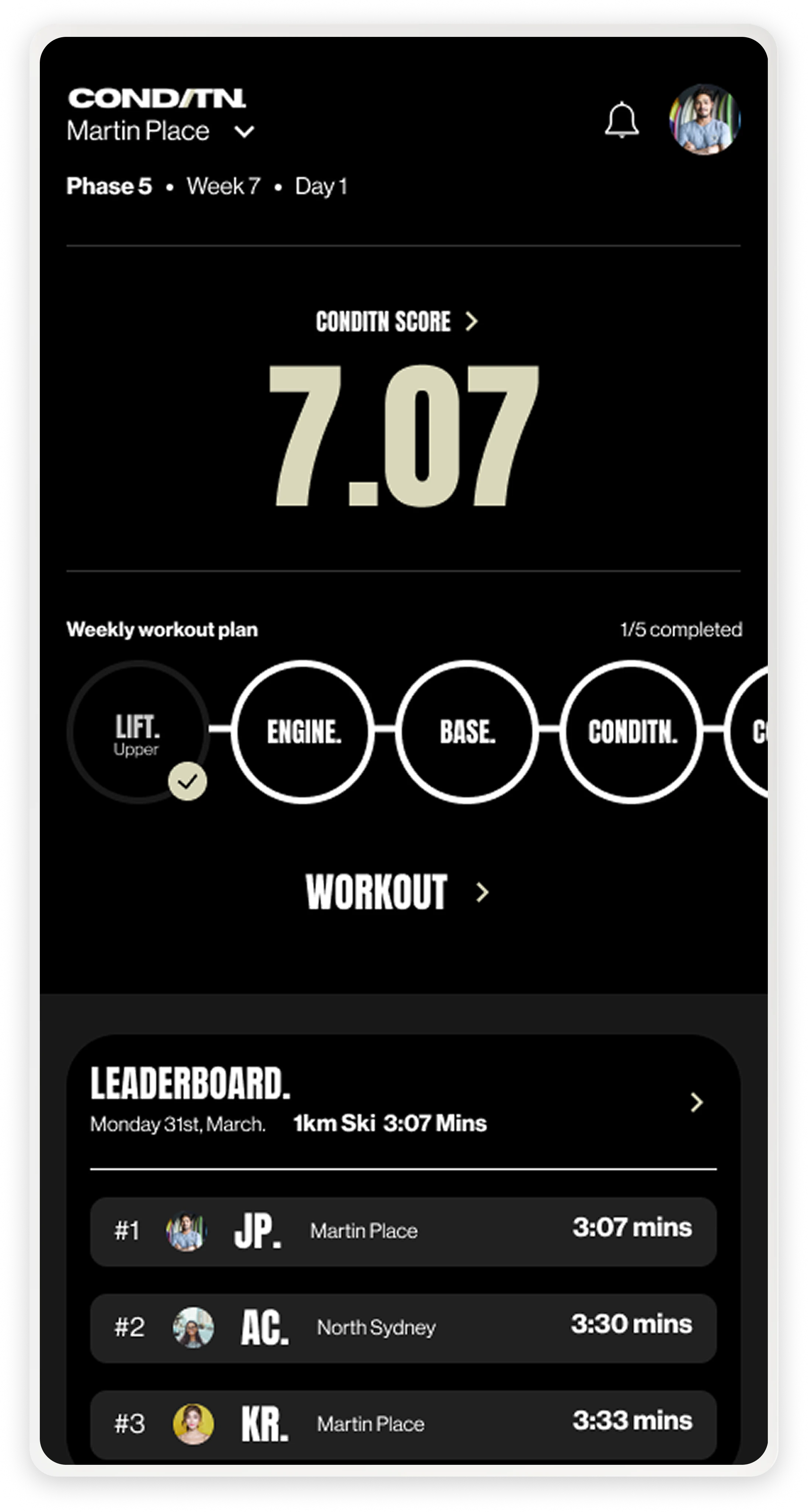
CONDITN workout tracking mobile app
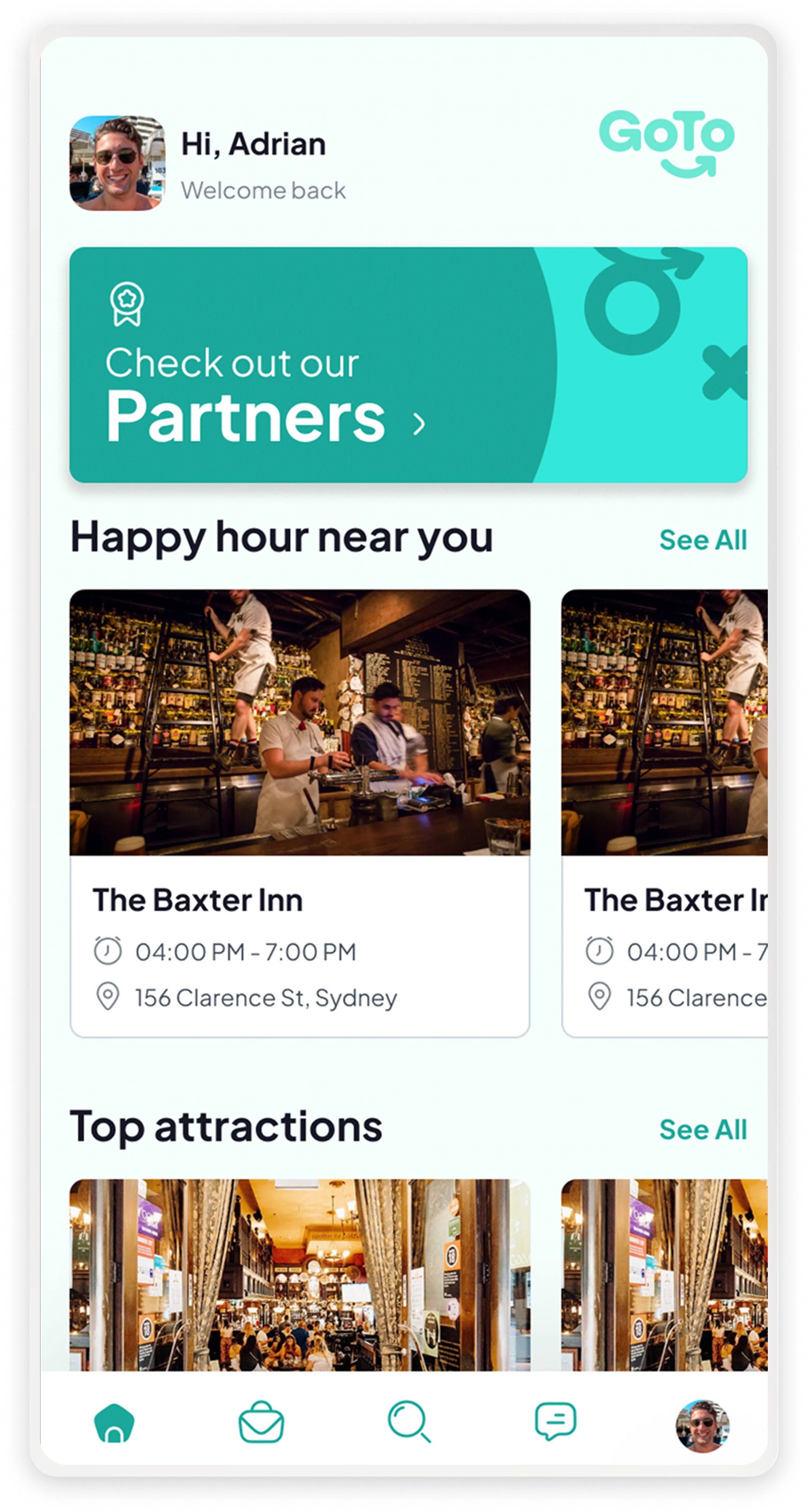
GoTo local experiences mobile app
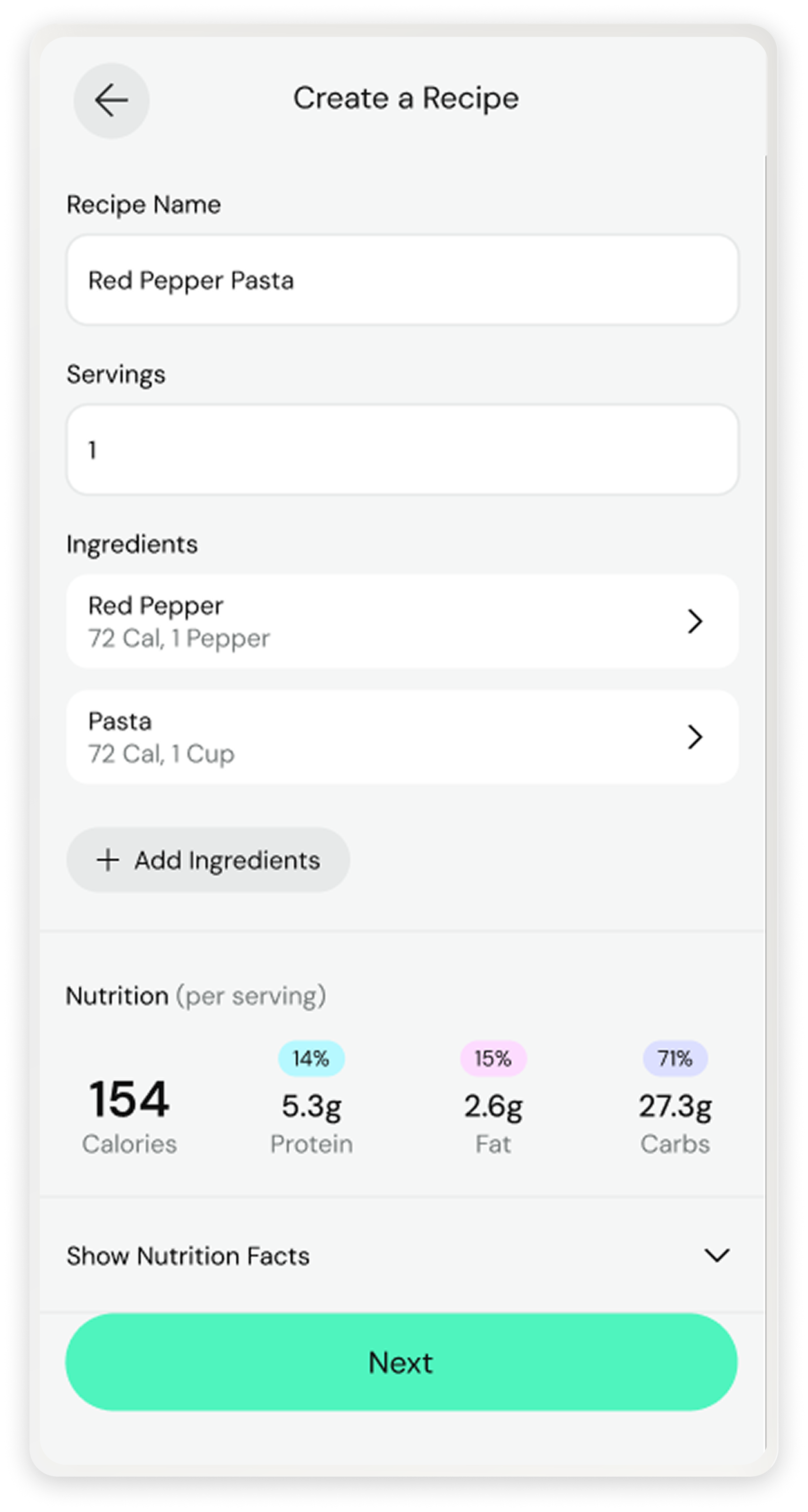
Mobile recipe creation and nutrition tracking screen

From the portfolio. CONDITN workout tracking, GoTo local experiences, and recipe and nutrition tracking.

See Our Work →
4M+
Monthly active end users across live products
$1M+
Daily transaction value across portfolio marketplaces
12 weeks
Typical MVP window from kickoff to store
100%
Onshore delivery, employees not subcontractors

Getting an App Built Is Easy Now. Getting One People Open Again Is Not.

A Devika team member working at a studio desk in Wollongong
Design, engineering and delivery in the same team.

The gap is almost never the code. It is whether the app does one thing so well that opening it becomes a habit, and whether it stays fast enough, stable enough and current enough to keep that habit alive.

That is a product problem, a design problem and an engineering problem at once, which is why we do not separate them. Devika builds mobile apps from Australia, with design, engineering and delivery in the same team.

The measure we care about is retention, not downloads. Downloads are a marketing outcome. Retention is a product one.

Anyone can ship an app. The measure is whether people open it again on day seven.

iOS and Android App Development: Which Comes First

Founders and exec teams burn weeks on this. The decision is usually simpler than the debate.

iOS app development and Android app development now share most of a codebase. What they do not share is an audience, and the audience is what should decide the order.

Build for iOS First When

Your audience skews Australian, North American, Western European or higher income. You are monetising through in-app purchase or subscription. You want the fastest path to a polished, testable product. iOS users spend more per head, and the device fragmentation is minimal.
Build for Android First When

Your audience is in Southeast Asia, India, Africa or Latin America. You are targeting high-volume, lower-revenue-per-user segments. Or you need capabilities Apple restricts. The trade-off is testing across a much wider range of devices and OS versions.

Build Both at Once When

The app’s value depends on network effects, marketplace liquidity, or an existing audience you already know spans both. If half your users cannot participate, the product does not work.

iOS usually earns more per user. Android usually reaches more users. Pick the one your first thousand customers actually hold.

Modern cross-platform frameworks like React Native have largely dissolved the old choose one, do the other later trade-off. We build for iOS and Android from a shared codebase where it makes sense, which means one team, one release cycle and roughly one budget instead of two.

Native App Development, Decoded

A native app is built to run directly on the phone’s operating system rather than inside a browser wrapper. It gets full access to the camera, GPS, push notifications, biometrics, offline storage and the hardware acceleration that makes scrolling feel like glass instead of sludge.

There are three broad options and the terminology gets muddied constantly.

Fully native, cross-platform native and web wrapper compared
ApproachWhat it isBest for
Fully nativeSeparate Swift (iOS) and Kotlin (Android) codebasesHeavy graphics, AR and VR, deep OS integration
Cross-platform nativeOne codebase in React Native, compiled to genuinely native componentsMost apps. Near-native feel, one team
Web wrapperA website in an app-shaped boxAlmost nothing. It feels wrong and users notice

Native is about how the app feels, not just what it is written in. Cross-platform tools now produce native-feeling apps from one codebase, which is why we default there unless a project genuinely needs otherwise.

Our native mobile app development services default to cross-platform for that reason. We recommend fully native when the workload demands it, as we did for our AR and VR builds, and we say so plainly when it does not.

What Your Technical Evaluator Will Ask

If a CTO or lead engineer is reviewing this, these are the answers they want before the commercial conversation starts.

  1. 01

    Stack

    React Native with TypeScript for cross-platform work, Swift and Kotlin where fully native is warranted, Node and Python services on AWS behind an API layer.

  2. 02

    Testing

    Unit and integration tests on business logic, automated end-to-end coverage of the core flows, and manual device testing across a maintained matrix of real handsets rather than simulators alone.

  3. 03

    Pipelines

    CI/CD with automated builds, staged rollout through TestFlight and Play Console tracks, crash reporting and release gating.

  4. 04

    Handover

    Repository access from day one, architecture documentation, environment setup instructions, and a written runbook. You should be able to hand the codebase to another team without calling us.

  5. 05

    Code Standards

    Linting and formatting enforced in the pipeline, pull request review on every change, and no direct commits to main.

Bring your engineer to the first call. The conversation is better when they are in it.

Mobile App Development for Startups

Startups fail at apps in a predictable way. They build the version they will need in year three, run out of runway in month nine, and never learn whether anyone wanted year one.

Our approach for founders is to scope hard to a core loop, build it on Baseline, launch, and let real usage decide what comes next. On a mobile build specifically, Baseline arrives with account creation and social sign-in, push notification infrastructure, in-app purchase and subscription handling, and an admin portal for your team, all of it already through app store review on previous products.

What We Build

  • Consumer apps with subscription and in-app purchase, using Stripe, Apple Pay and Google Pay
  • Two-sided marketplaces and booking platforms
  • Enterprise and internal workforce apps
  • Apps paired with admin portals so your team can actually run the thing
  • AR and VR experiences on Meta Quest and mobile

The parts of an app that are identical everywhere are already built and already approved by Apple and Google. Your budget goes to the part that is yours.

For a closer look at that first release, see MVP and rapid prototyping. We handle app store submission and store optimisation as part of launch, because an app nobody can find is an app nobody downloads.

Everything ships with push notifications, analytics, crash reporting and staged release, because an app you cannot observe is an app you cannot improve.

Proof

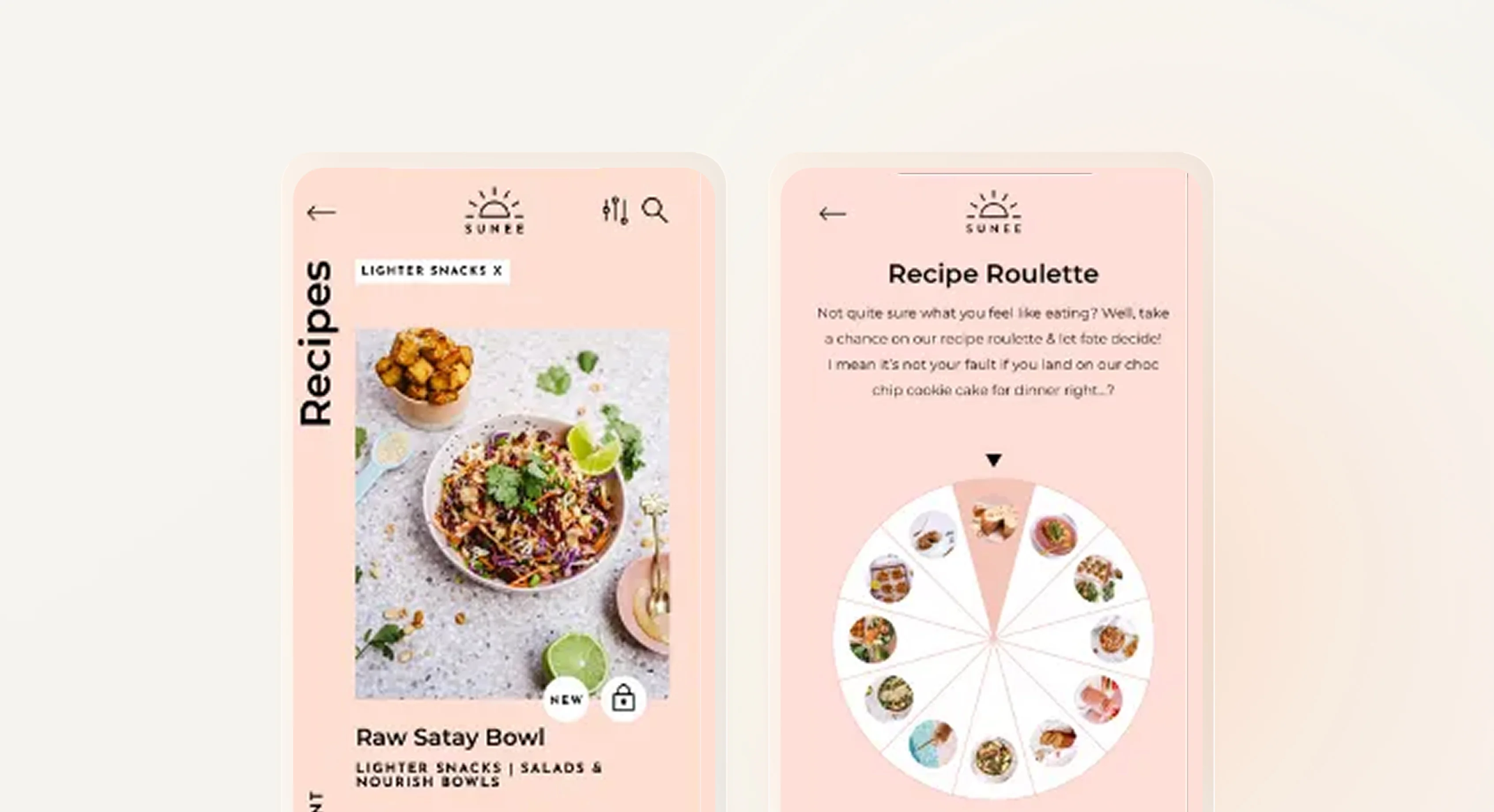
The Sarah’s Day app

Sunee and Sezzy Timer

  • Sarah’s Day
  • iOS and Android

A creator with over 1 million YouTube subscribers came to Devika for a workout timer, then a full recipe platform. Both apps reached number one in their categories on the Australian stores at launch, and Sezzy Timer reached number one in Health and Fitness in France and Canada.

“Their ability to see our vision and apply a high attention to detail is [admirable].”
The Sarah’s Day team
Read the Case Study →
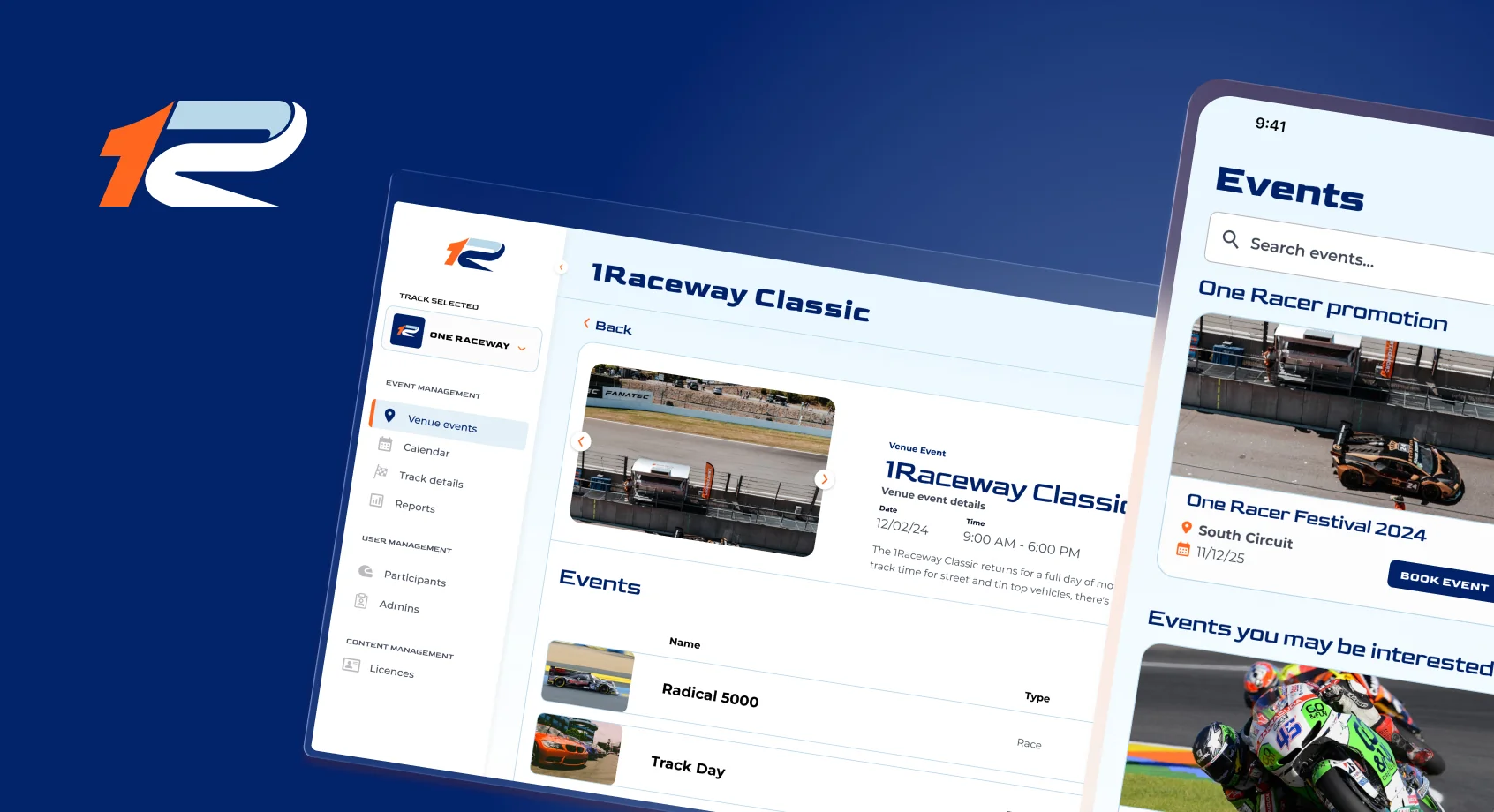
The 1Racer app

1Racer by One Raceway

  • Motorsport
  • Web
  • iOS and Android

A motorsport venue wanted a booking tool. After consultation with Devika it became a globally licensable product: responsive web plus iOS and Android apps covering profiles, garage and service bookings, event registration, spectator ticketing, push notifications, digital scrutineering and liability compliance, with a full admin app behind it. 6 months to launch.

Read the Case Study →
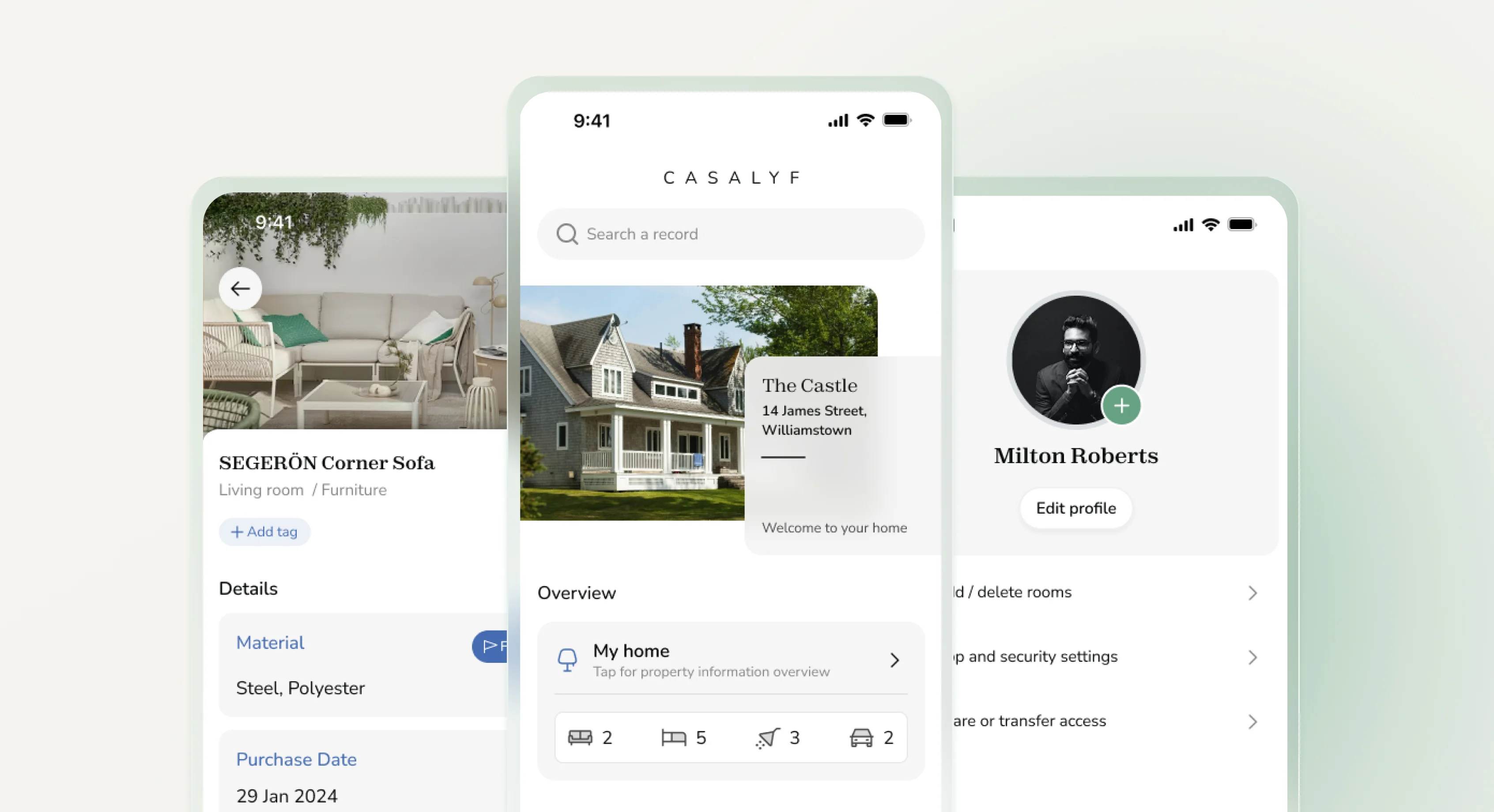
The Casalyf app

Casalyf

  • PropTech
  • React Native

An app for homeowners managing property records, warranties and maintenance, with sign-in via email, Apple or Google, scheduled push reminders, and property sharing and transfer on sale. 12-week MVP, built to a freemium model from day one.

Read the Case Study →

Common Questions

How much does it cost to build an app in Sydney?

Platform count, integration complexity and the number of distinct user types move the figure more than anything else. Baseline reduces the foundational build significantly, which is why our floor is lower than a from-scratch quote. We quote in bands after scoping, with the assumptions written down.

How long does it take?

Focused MVPs run 12 to 16 weeks. Casalyf was 12. Broader platforms like 1Racer run around 6 months. Anyone quoting 6 weeks for a two-sided marketplace is quoting a different product than the one you described.

Do we need both iOS and Android at launch?

Only if your product’s value depends on it. Cross-platform development has made both cheap enough that the answer is more often yes than it was 5 years ago.

Who owns the code?

You own the application code, the data and the infrastructure outright on completion. The Baseline components underneath it are licensed to you perpetually, irrevocably and royalty-free, with no ongoing fee and no restriction on modifying, extending or selling the product built on them. We use the same wording on every engagement so your procurement team is not comparing two different promises.

Why onshore rather than offshore?

Offshore quotes will beat ours on hourly rate. What they usually do not include is the cost of specification detail sufficient to survive a timezone gap, the rework when it is not, and the difficulty of holding anyone accountable across jurisdictions. Our engineers are employees in Australian timezones who join your standups. On a 4-month build the total cost is usually closer than the rate card suggests, and the variance is much lower. If your project is genuinely well-specified and low-change, offshore may be the better commercial answer, and we will say so.

What happens after launch?

Apps need OS version updates, store compliance and security patching indefinitely. Our managed support covers exactly that, and most clients move into an arrangement at launch.

Bring Us Your Idea, Your Audience and Your Deadline.

We will tell you what is buildable, what it takes, and which platform to start on.