Researching Devika Kolb and the Benefits of Virtual Reality in Education
Exploring research behind Devika Kolb, highlighting VR's educational benefits in engaging diverse learning styles.
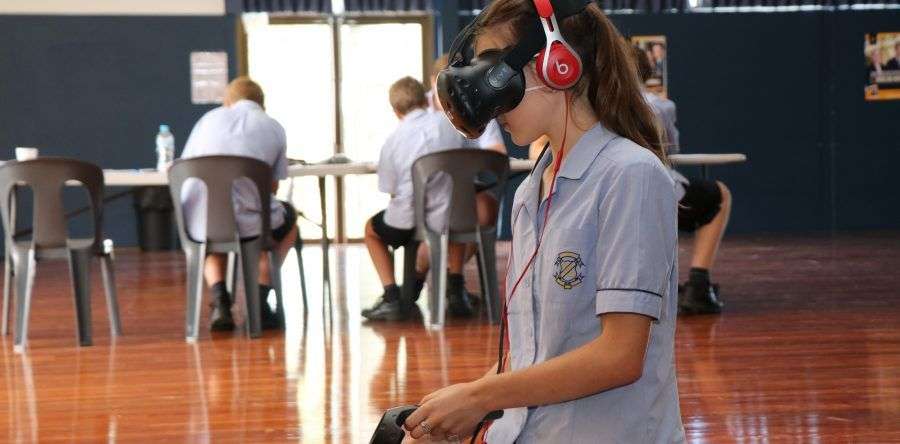
We’re taking our virtual reality educational experience, Devika Kolb, to high-schools across the Illawarra to better understand how immersive technology supports classroom learning. We’re collaborating with the University of Wollongong (UOW) to investigate the influence immersive learning has on memory retention, engagement, and educational outcomes.
One of the first schools to participate in research for Kolb is Sherwood Hills Christian School (SHCS) in Campbelltown. Head of Primary Teaching, Suzanne Zorn, shares that the students were excited to use virtual reality (VR) in their classes.
“It makes it much easier to get the kids to participate when it involves something fun like the VR, the participation and interest level of the classes is consistently high as they look forward to the active learning experience it offers.”
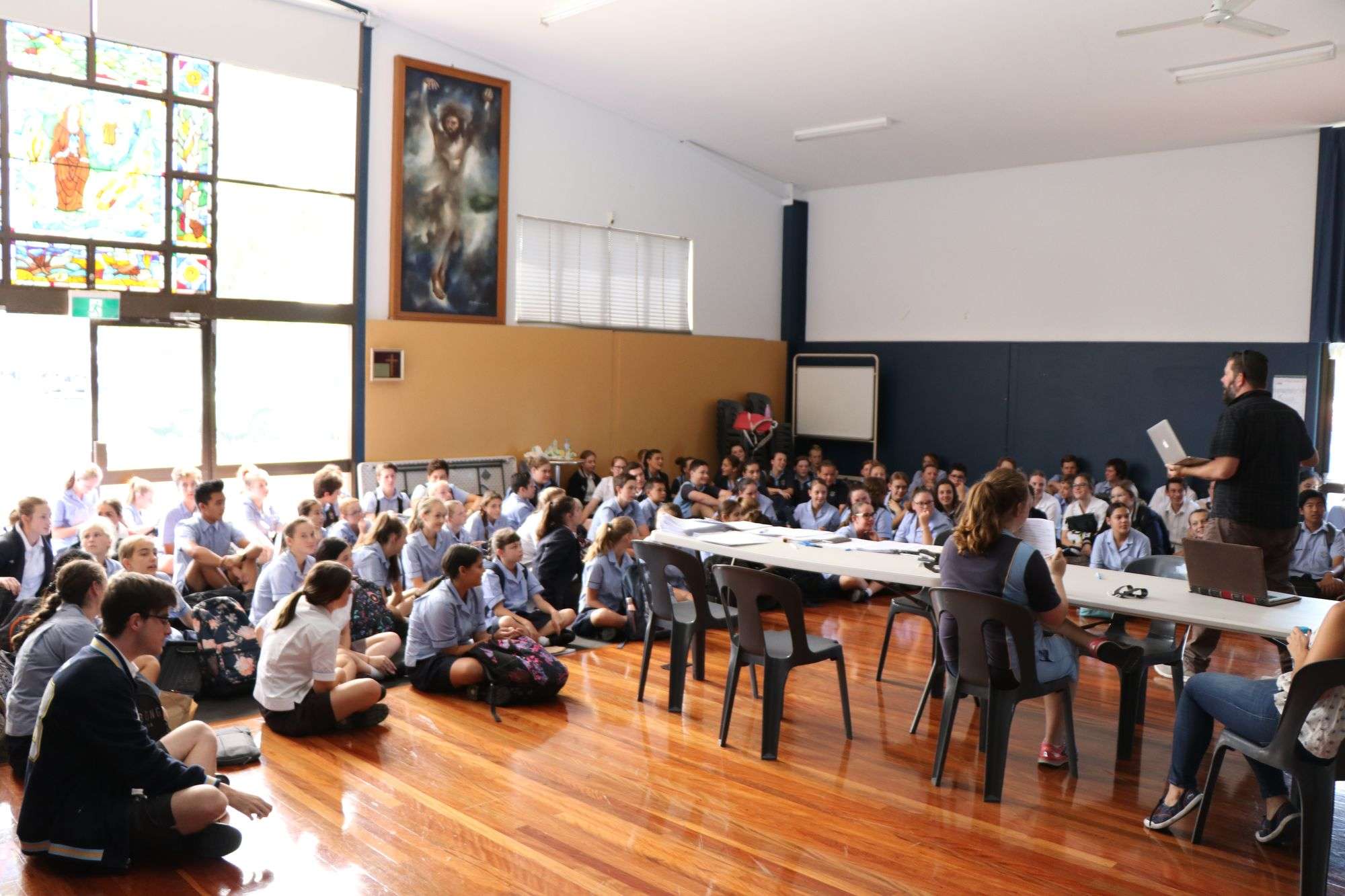
Investigating the Use of VR in Schools with the Kolb Antarctica Experience
The first scenario within Kolb is called the Antarctica experience, where students are ‘transported’ to a realistic rendering of Antarctica through virtual reality.
The scenario begins with an introduction by scientist Dr. Louise Emmerson. During her welcome, she explains what her purpose is as a scientist working in Antarctica, her contribution to the environment, and the activities that take place. After this, the user takes a photograph of a penguin to complete the data collection process. Then, a variety of resources are provided to the student. Their dispersion is staggered at various times during the experience. The purpose of this is to keep the user engaged, test their intuitiveness, problem-solving skills, and comprehension. Through this experience, students are able to learn by doing at their own pace.
Through Kolb, students develop a better understanding of Antarctica through ‘first-hand’ observations of the landscape and ecosystem. This helps to create greater awareness of the natural environment and the individual’s impact on it.
As additional scenarios are developed, each will harness students’ dispositions for learning such as curiosity, cooperation, creativity, enthusiasm, persistence, imagination, and reflexivity. With this in mind, the goal is to provide a new dimension of learning which complements current learning styles.
Suzanne Zorn discusses how beneficial this could be;
“We are really excited to receive more curriculum-based content from Devika, it provides such a helpful and effective tool for our students.”
Other schools that have participated in research for the Kolb Antarctica Experience include St Joseph’s High School, Figtree High School, Mount Ousley Public School, Dapto Public School, and Warilla High School.
If you’d like to see virtual reality at your school, get in touch with us here.